Although it’s located in Shibuya, Tokyo, the moment you step onto the shrine approach, you enter a different world—lush nature and a vast forest spreading all around you.
In this article, I’ve put together how to get to Meiji Jingu, its cultural background, and my impressions after actually visiting.
Access
There are three approaches to Meiji Jingu, and the nearest station differs depending on which route you take.
| Approach Routes | Nearest Stations | Time to the Shrine Approach |
| Harajuku Entrance | Harajuku Station Meiji-jingumae (Harajuku) Station | 1 minute on foot 5 minute on foot |
| Yoyogi Entrance | Yoyogi Station Kitasando Station | 5 minute on foot |
| Sangūbashi Entrance | Sangūbashi Station | 3 minute on foot |
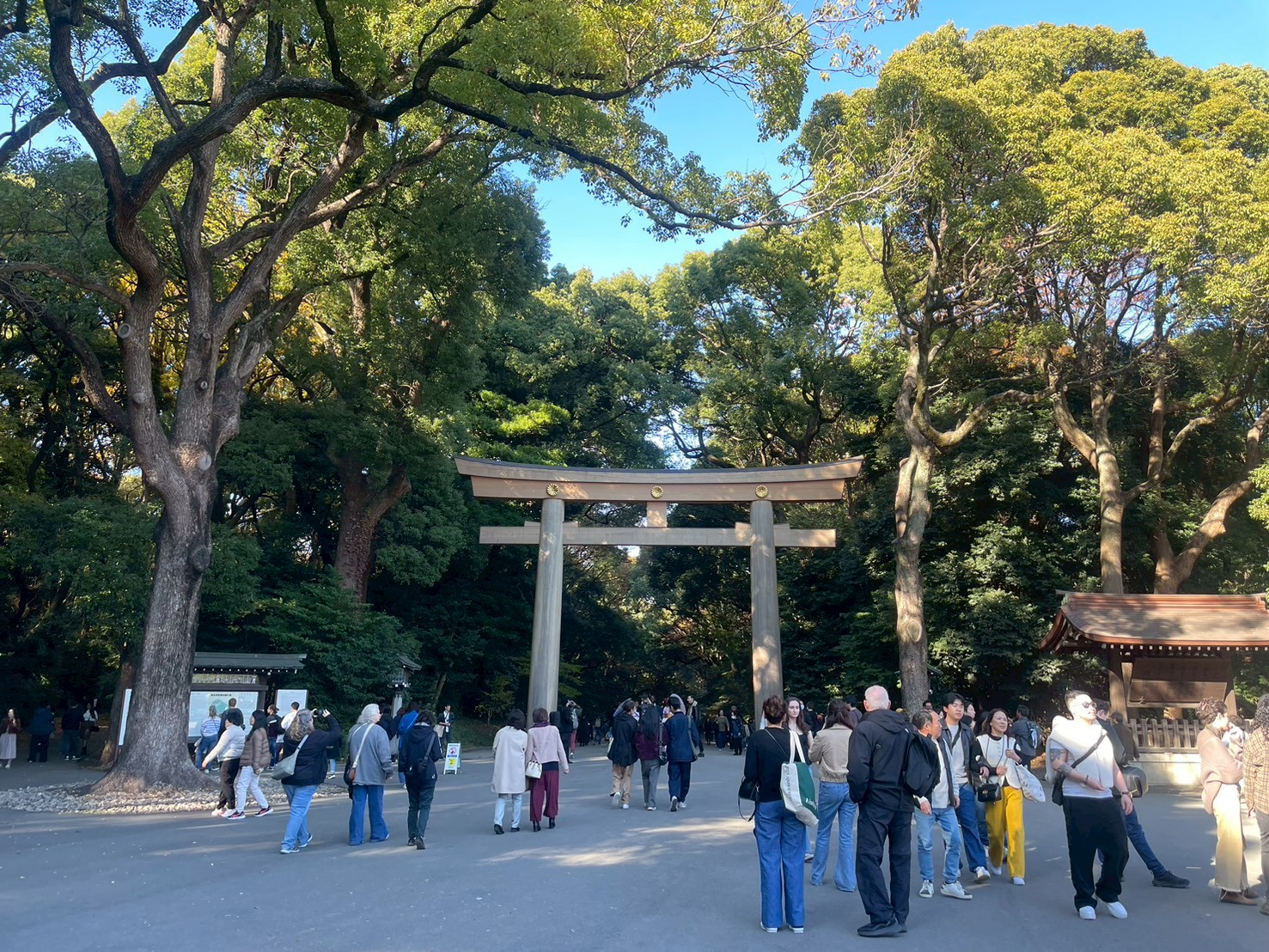
The most recommended approach among these is the Harajuku Entrance. As soon as you get off at Harajuku Station, you’ll see a large torii gate, and you can instantly step from the city into a world rich with nature.
↓Map of the Harajuku Entrance

Shrine Visiting Hours
Opening and closing times vary by month. Be sure to check them carefully before you go.
| mouth | opening a gate | closing a gate |
| January | 6:40 | 16:20 |
| February | 6:20 | 16:50 |
| March | 5:40 | 17:20 |
| April | 5:10 | 17:50 |
| May | 5:00 | 18:10 |
| June | 5:00 | 18:30 |
| July | 5:00 | 18:20 |
| August | 5:00 | 18:00 |
| September | 5:20 | 17:20 |
| October | 5:40 | 16:40 |
| November | 6:10 | 16:10 |
| December | 6:40 | 16:00 |
Cultural Value & History
This shrine was established in 1920 at the request of the people to enshrine Emperor Meiji—the 122nd Emperor of Japan, a symbol of the nation—and Empress Shōken.
Click here for Japanese omamori
The forest that you wouldn’t expect to find in Shibuya is made up of about 100,000 trees donated from all over Japan at the time of Meiji Jingu’s establishment, created with the vision of becoming an “eternal forest.”
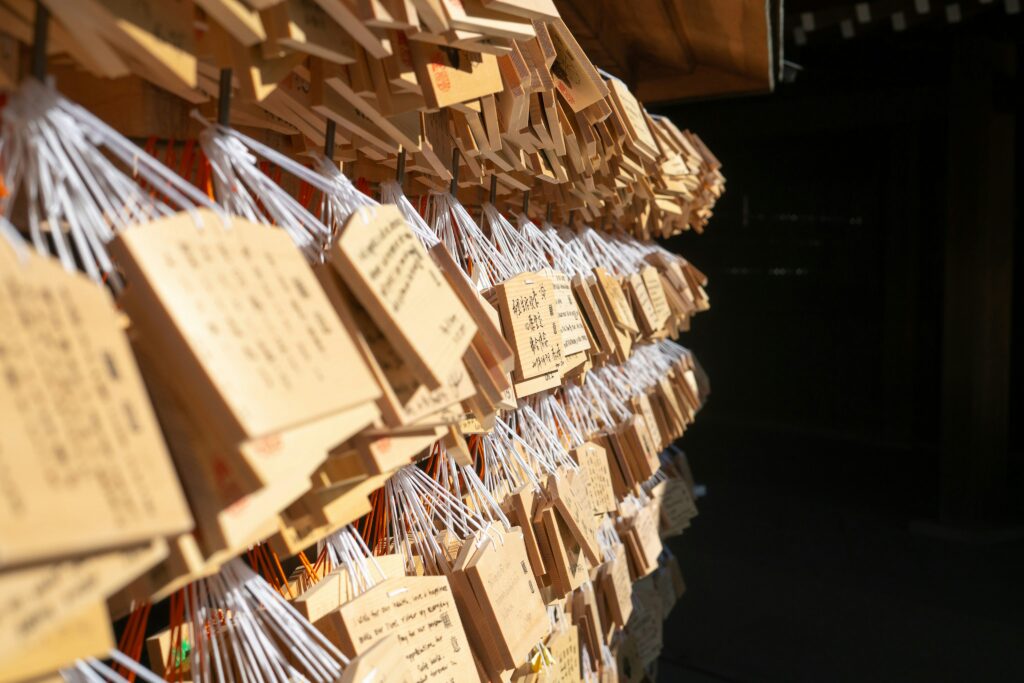
Each shrine in Japan is believed to offer different blessings. At Meiji Jingu
・Good relationships / matchmaking
・Family safety and well-being
・Academic success
・Business prosperity
・Recovery from illness / healing
There are blessings such as matchmaking, family safety, academic success, business prosperity, and recovery from illness. These are said to come from the divine virtues of Emperor Meiji and Empress Shōken, who were known for their harmonious marriage, their dedication to promoting education and industry, and their contributions to medical advancement. Among these blessings, matchmaking and family safety are especially well-known.
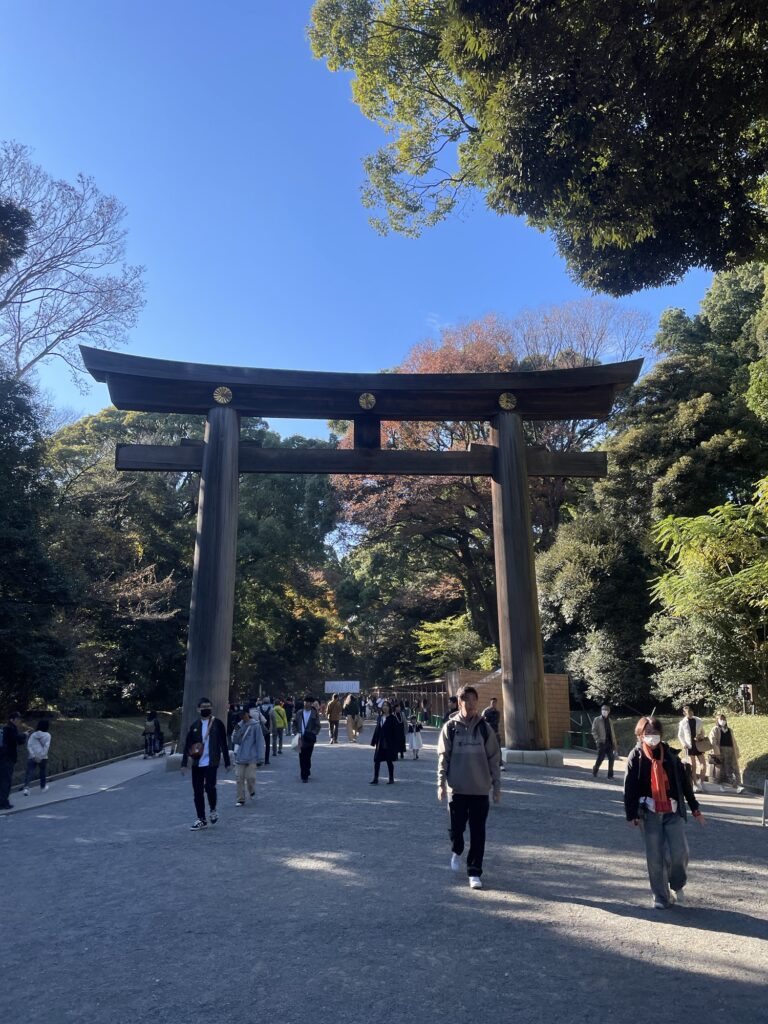
Along the approach to the shrine stands Meiji Jingu’s Second Torii Gate, a wooden Myojin-torii—the most common style of torii in Japan—and the largest wooden torii in the country. It stands 12 meters tall, 17.1 meters wide, with each pillar measuring 1.2 meters in diameter.
In Japan, people visit shrines at the beginning of the New Year to express gratitude for safely completing the previous year and to pray for good fortune and safety in the year ahead. Meiji Jingu is famous for having the highest number of New Year’s visitors in Japan.
I personally visited in 2024. Normally, it takes about 15 minutes from Harajuku Station to reach the prayer area, but due to massive crowds, I waited for over an hour and a half. There were also traffic restrictions, and once you enter the line, you cannot turn back. Unless you must visit Meiji Jingu specifically for New Year’s prayers or want to witness Japan’s largest New Year’s crowd, I wouldn’t particularly recommend visiting at that time.
Highlights
Click here for cute shrine figurines
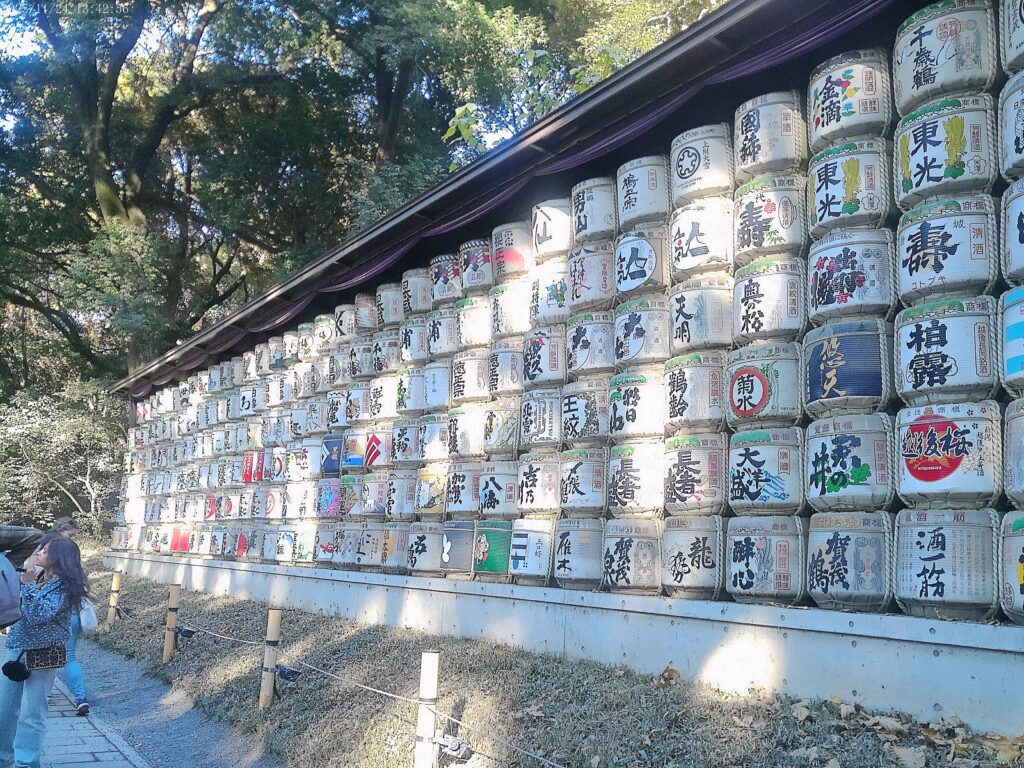
・Sake Barrels (Sake casks offered to the deities; these barrels themselves symbolize good fortune and dedication.)
You can see them after getting off at Harajuku Station and entering the South Approach from the Harajuku Entrance. The bold, weighty calligraphy on the barrels draws the attention of everyone who passes by.

・The Second Torii Gate
This is the largest wooden Myojin-style torii gate in Japan, as mentioned above. Its impressive size is truly overwhelming. As you walk from the Harajuku Entrance toward the main shrine, you will encounter the sake barrels and then the Second Torii Gate along the approach, allowing you to see them naturally without any detours.
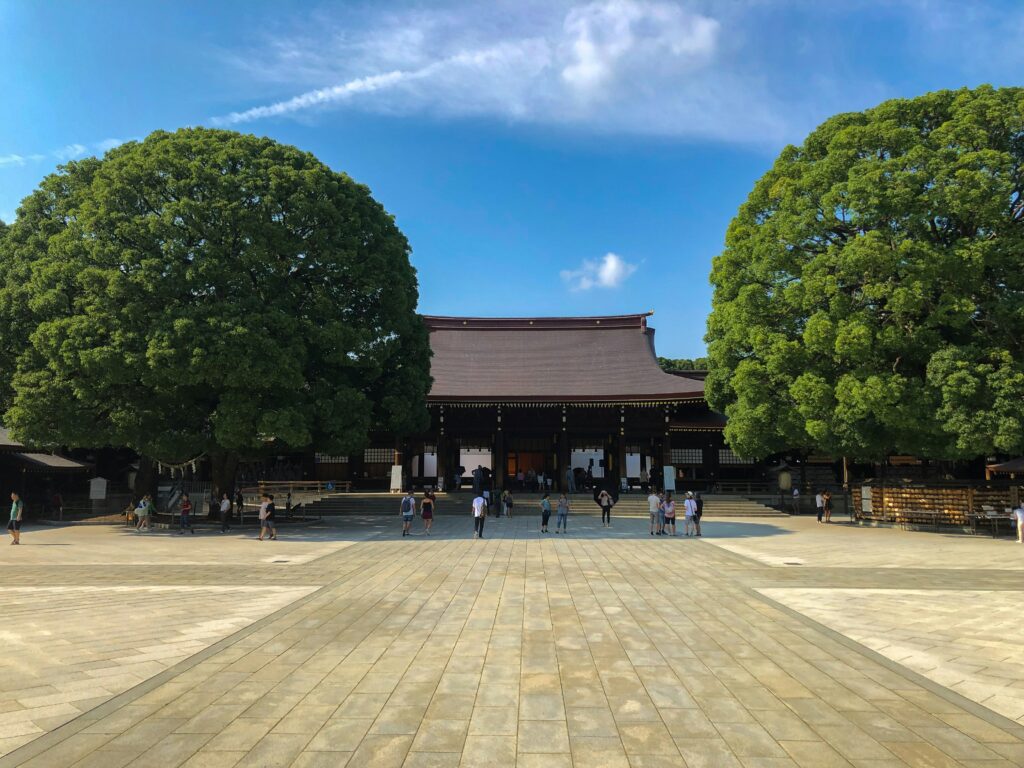
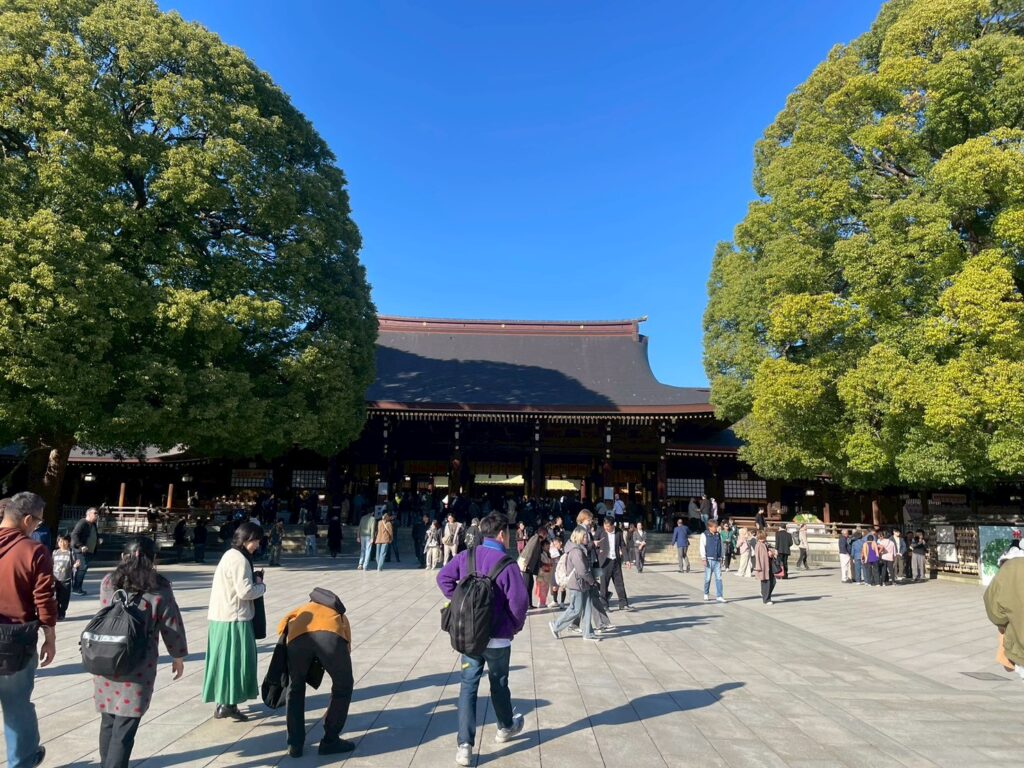
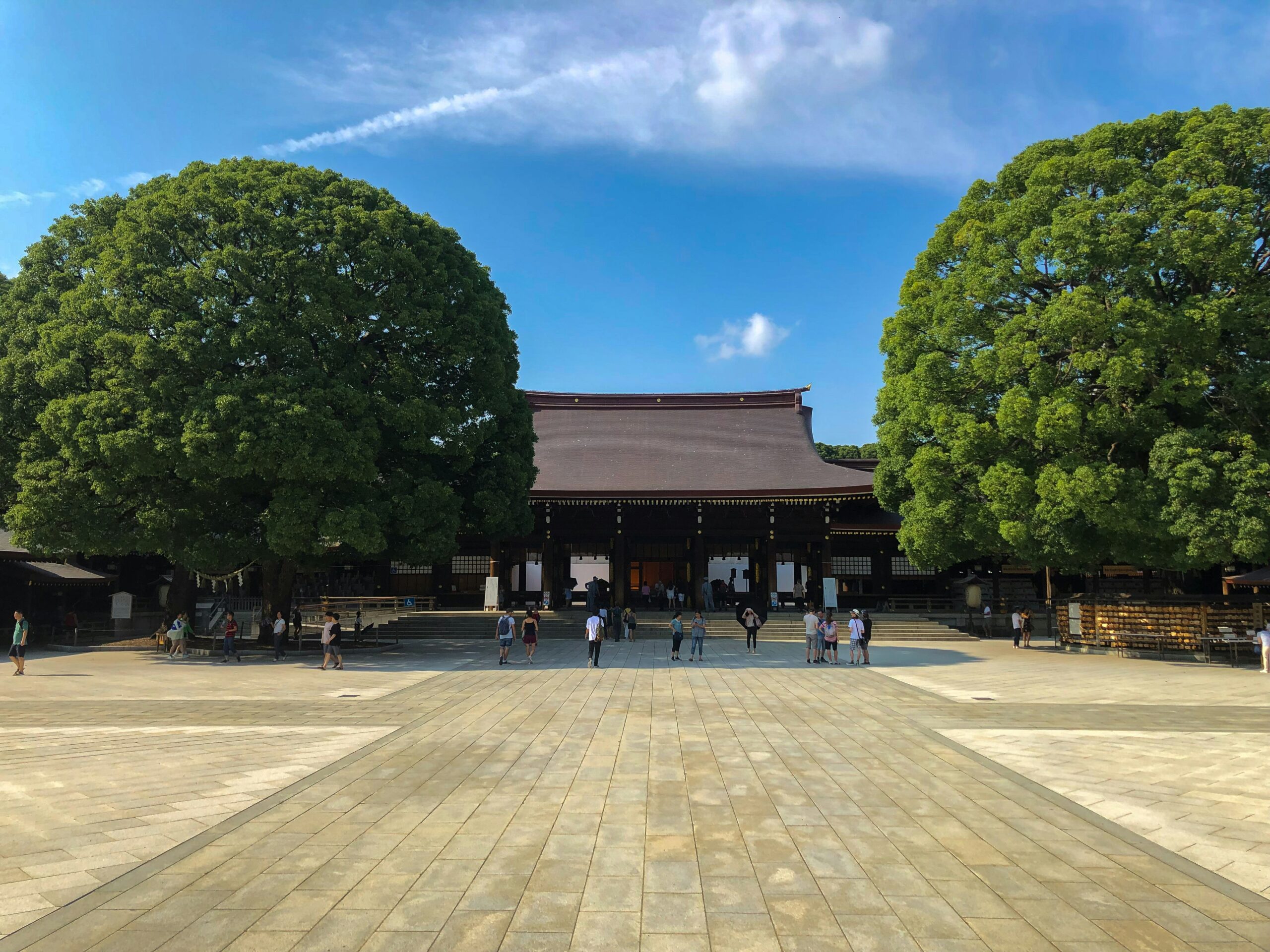
・Main Shrine BuildingThe main shrine building, where the deities are enshrined, is the highlight of the entire shrine. After passing through the magnificent gate, you will find the main hall standing behind two large sacred trees. Its scale and presence are truly exceptional.
Although you cannot enter the main hall itself, you can approach the offering area to throw coins and make a prayer. Be sure to offer your wishes and experience this important aspect of Japanese culture.
Shrines also have “omikuji,” or fortune slips. At most shrines, omikuji indicate your luck—such as very good, good, or bad. However, Meiji Jingu’s omikuji are different. Here, you receive poetic teachings written by Emperor Meiji or Empress Shōken. The one I drew said:
“Like the morning sun rising high into the sky, may you always have a fresh, bright, and clear heart.”
A simple explanation was also included, meaning: Keep your heart pure and bright.
These fortunes are also written in English, so please give one a try.
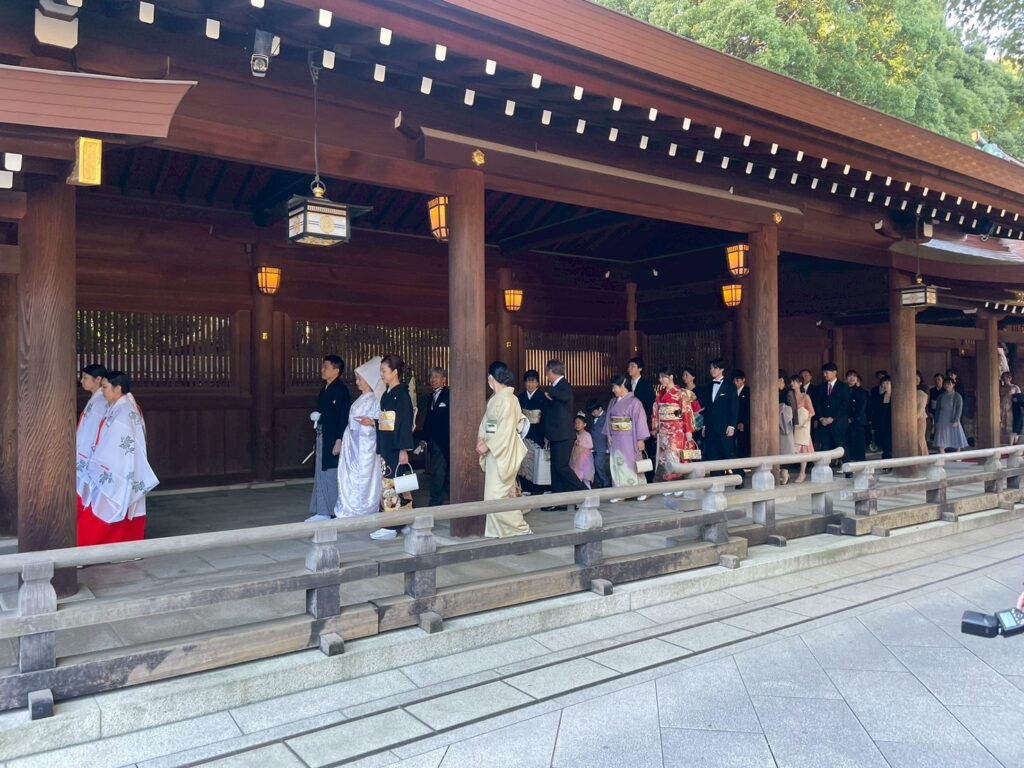
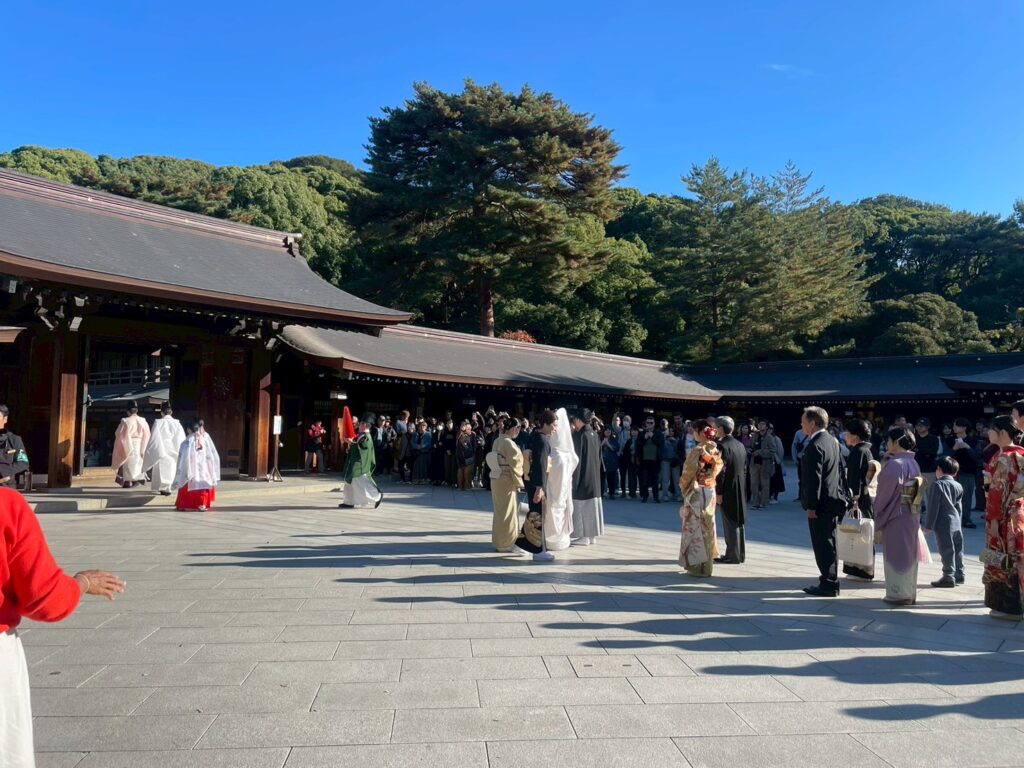
If you are lucky, you may also witness a traditional wedding ceremony held at Meiji Jingu. Nowadays, most weddings in Japan are held in hotels or dedicated wedding venues, so seeing a Shinto wedding is quite rare—even for Japanese people—and it feels truly sacred.
・Souvenirs
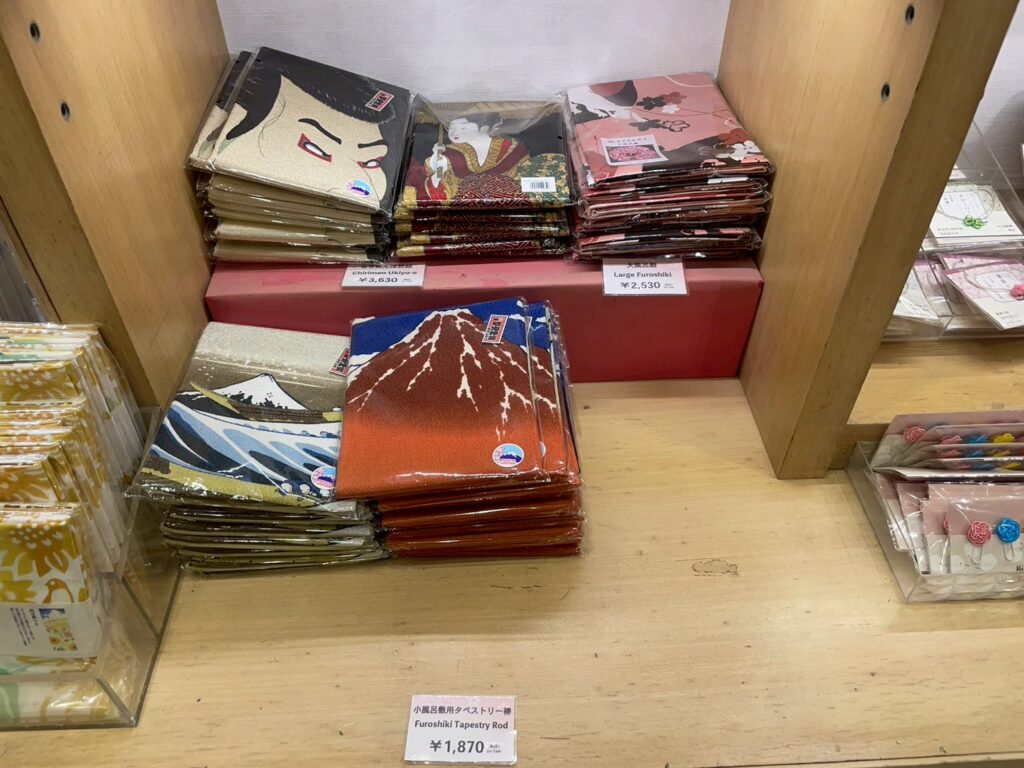
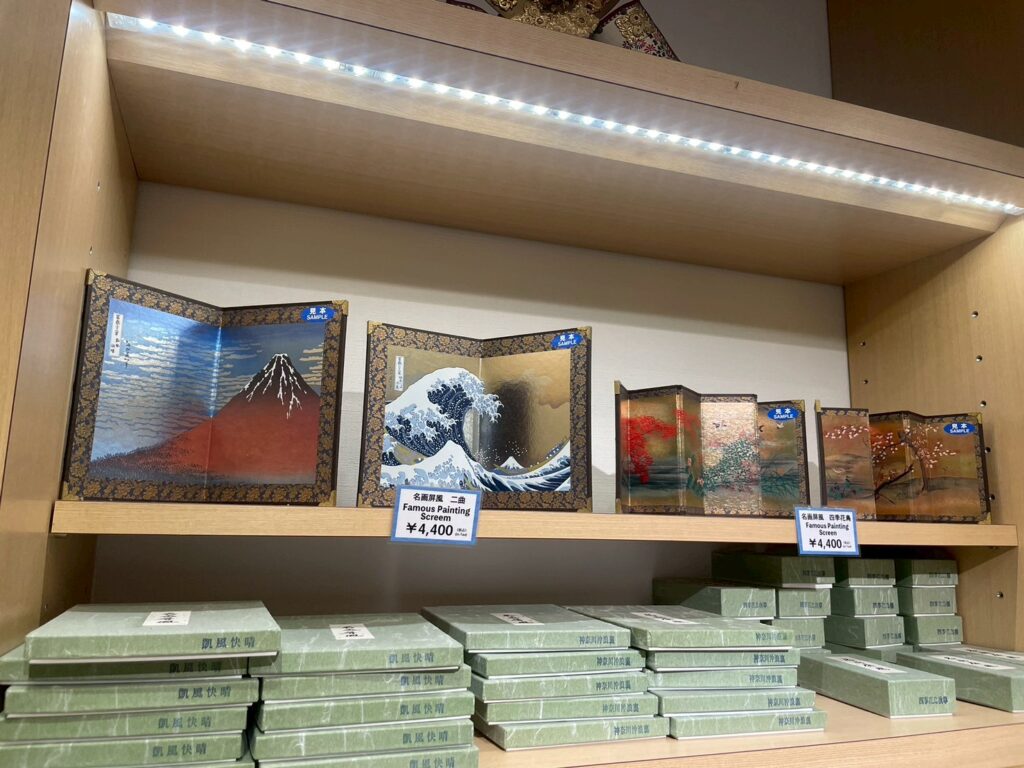
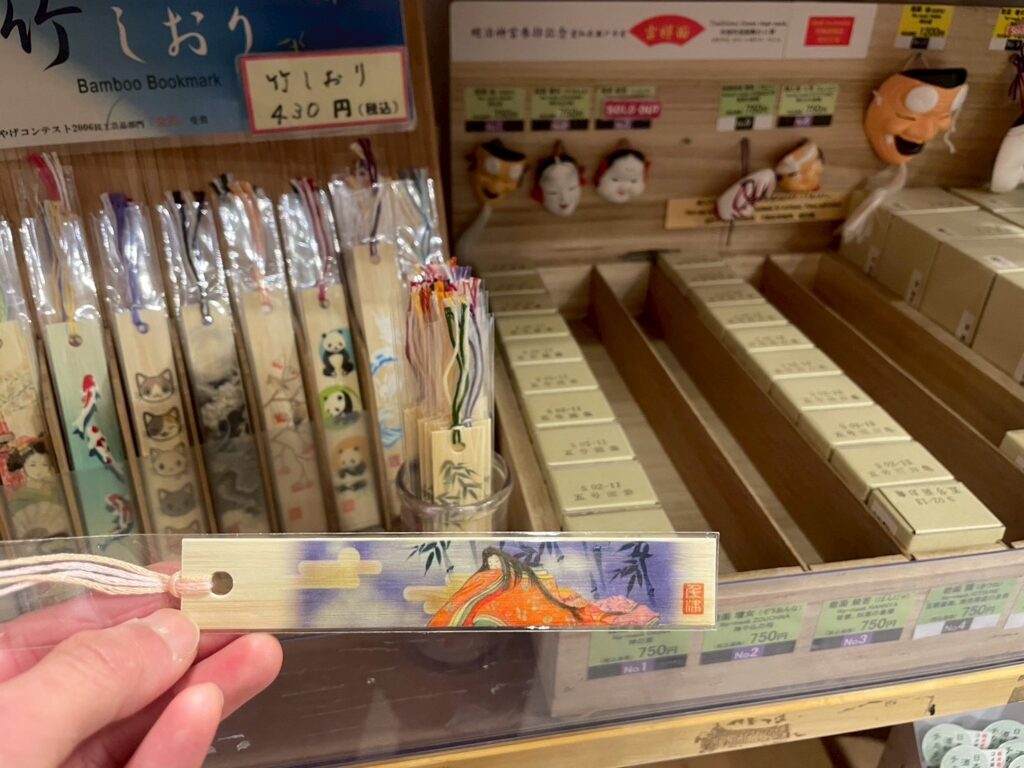
Meiji Jingu also has souvenir shops. They sell a wide variety of items such as chopsticks, ukiyo-e prints, and keychains. Even just browsing the shop allows you to experience traditional aspects of Japanese culture.
Click here for cute Japanese towels
Recommended Nearby Places to Visit
・Yoyogi Park
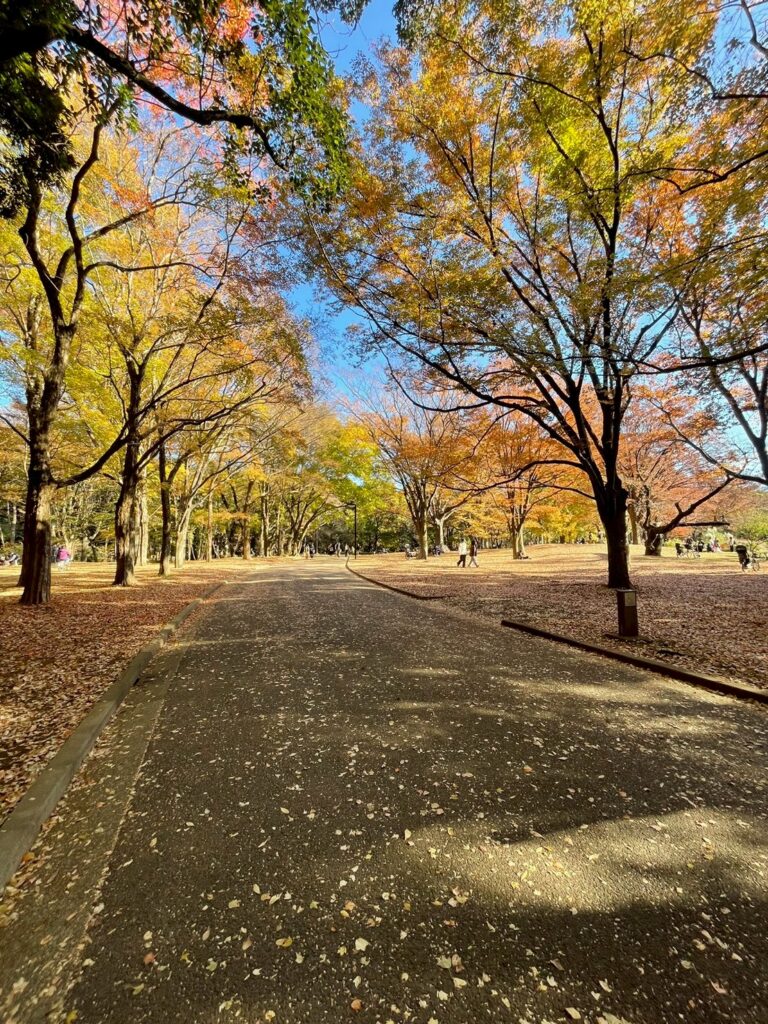
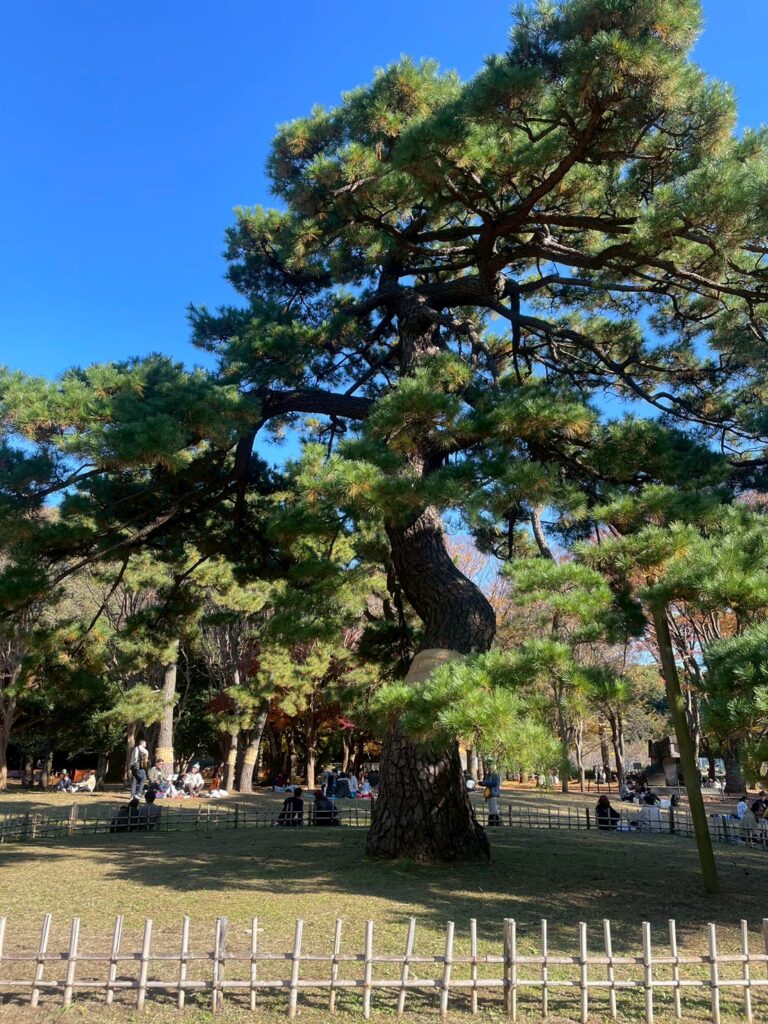
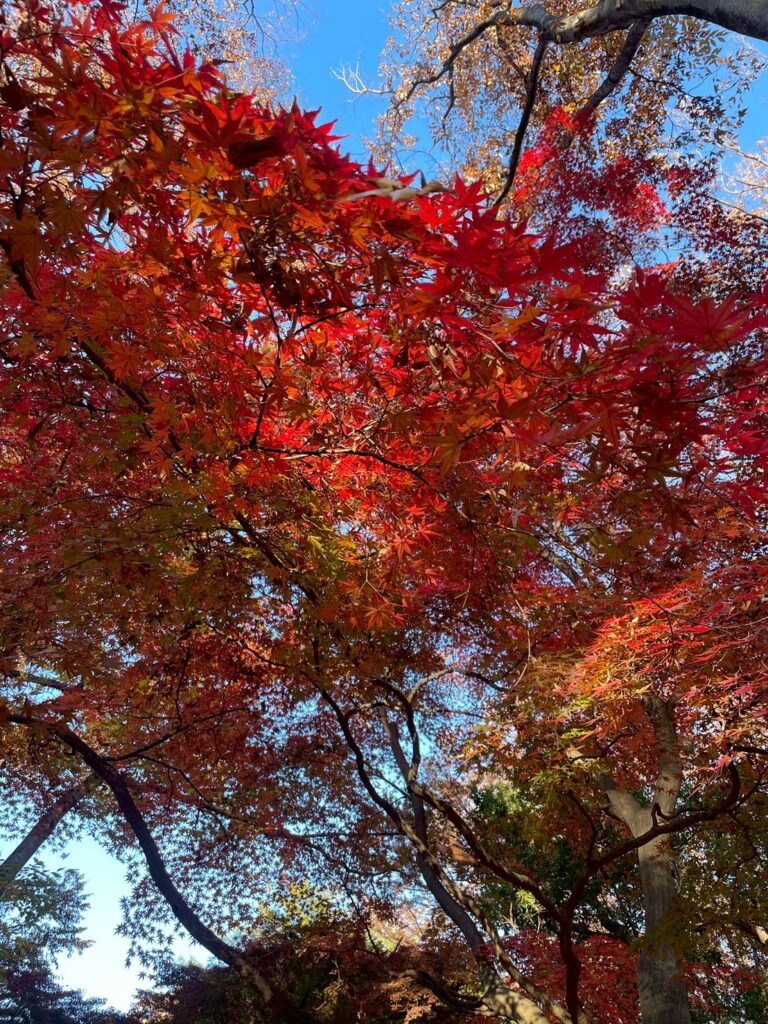
Yoyogi Park is a large park located right next to Meiji Jingu. It is also an unexpectedly green and natural space for being in Shibuya. People spend their time in many different ways—lying on the grass, reading on benches, running, dancing, and more—each enjoying the park in their own way.

・UNIQLO Harajuku Store
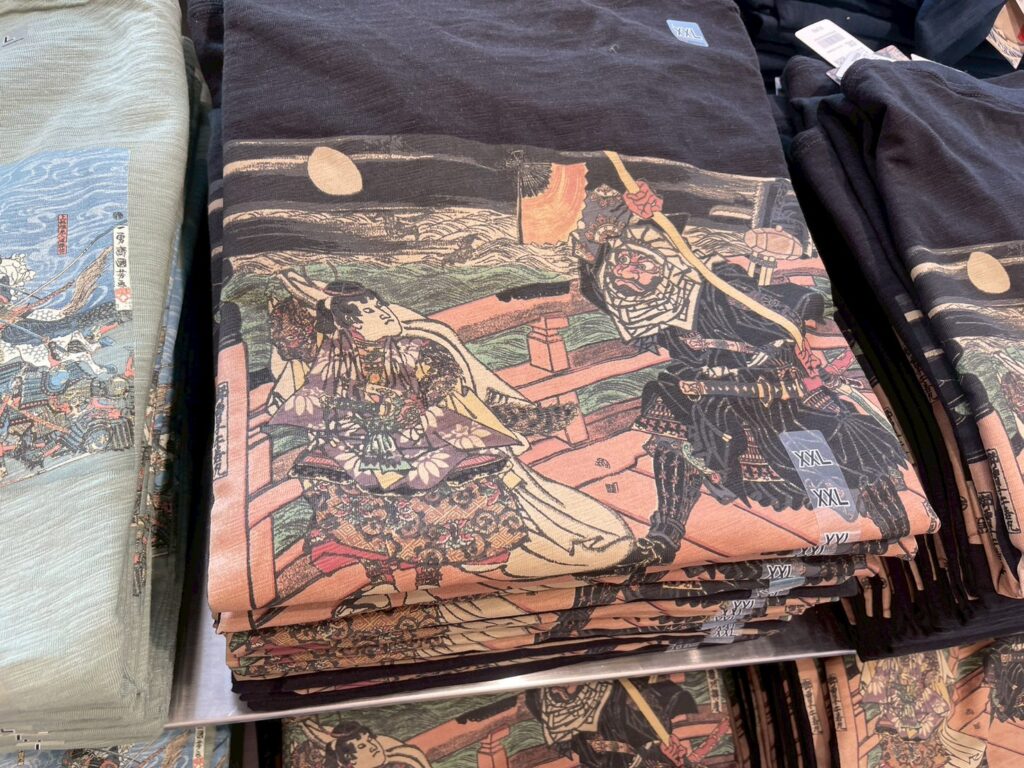
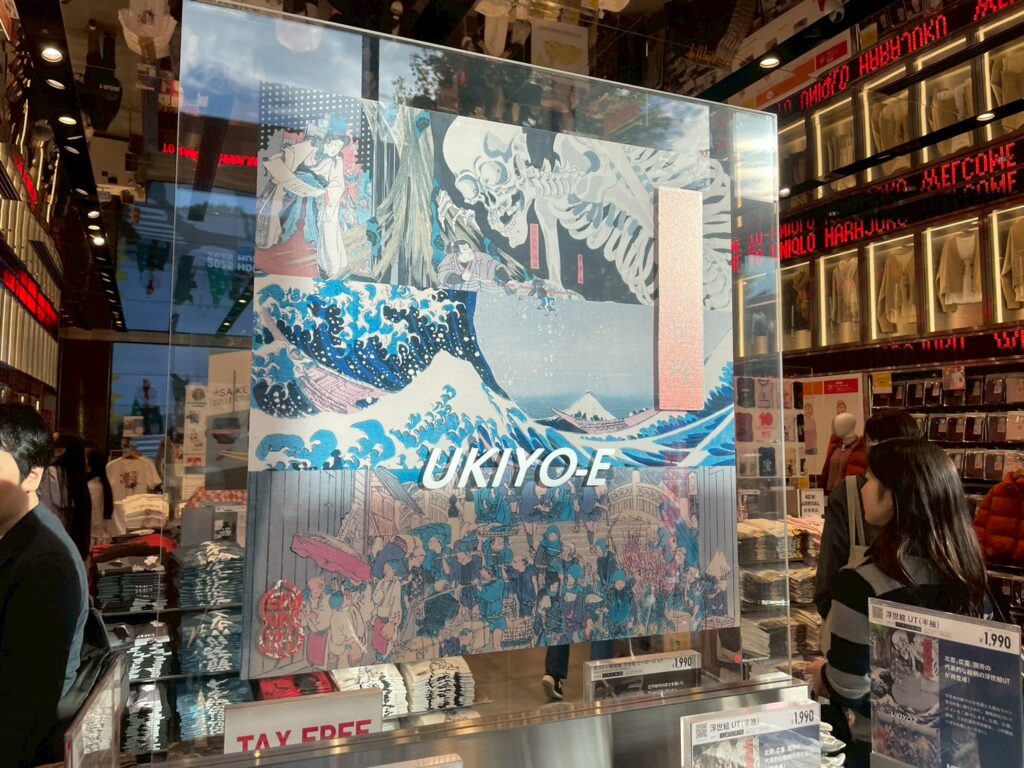
UNIQLO is one of Japan’s most renowned fashion brands. The Harajuku store, in particular, offers many items designed for visitors, including ukiyo-e T-shirts and Hachiko T-shirts, one of Shibuya’s well-known symbols. The prices are reasonable and the quality is excellent, so why not pick up some clothing that lets you experience a bit of Japan through UNIQLO?
Click here for Japanese Kanji T-shirts

・Takeshita Street
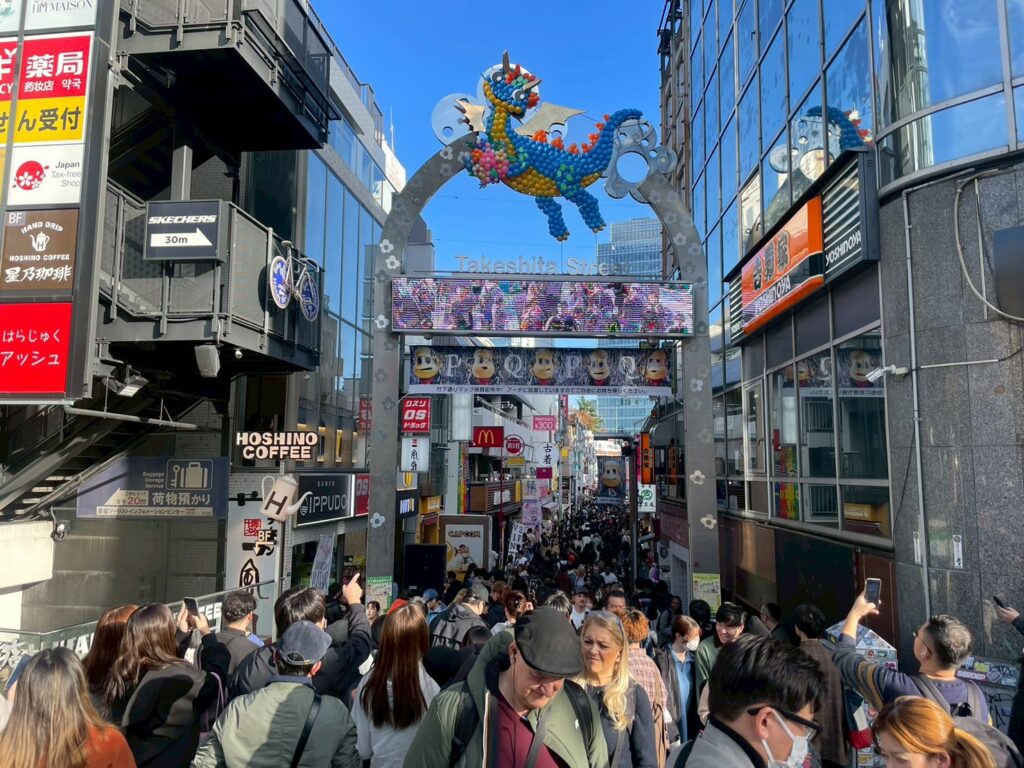
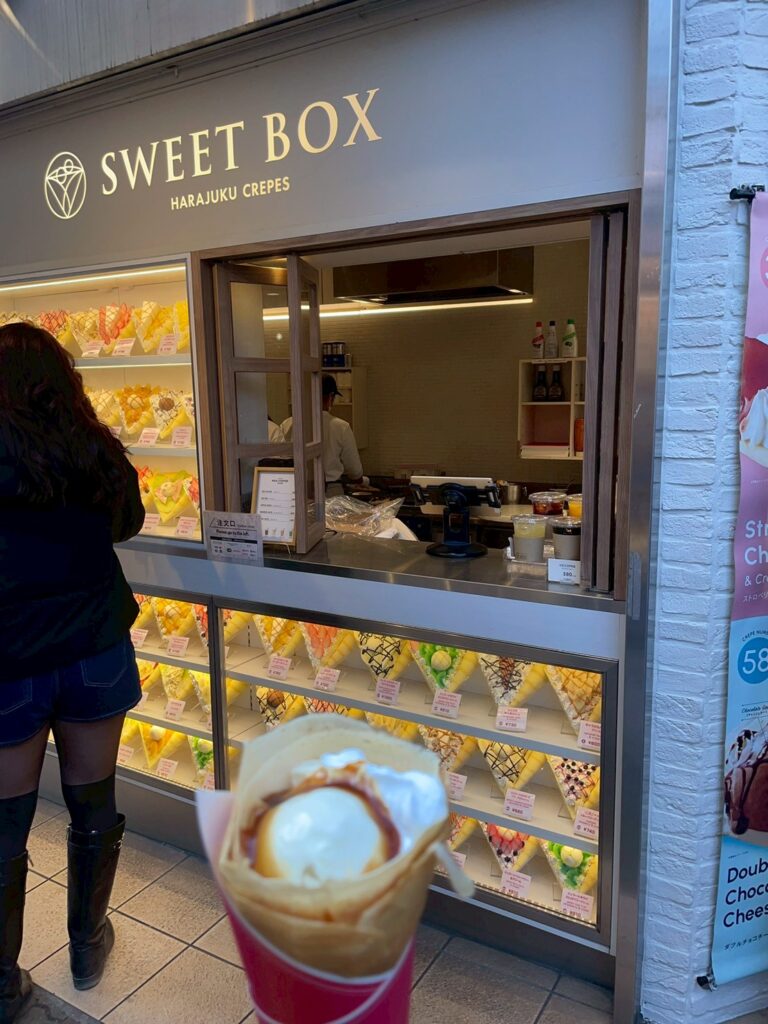
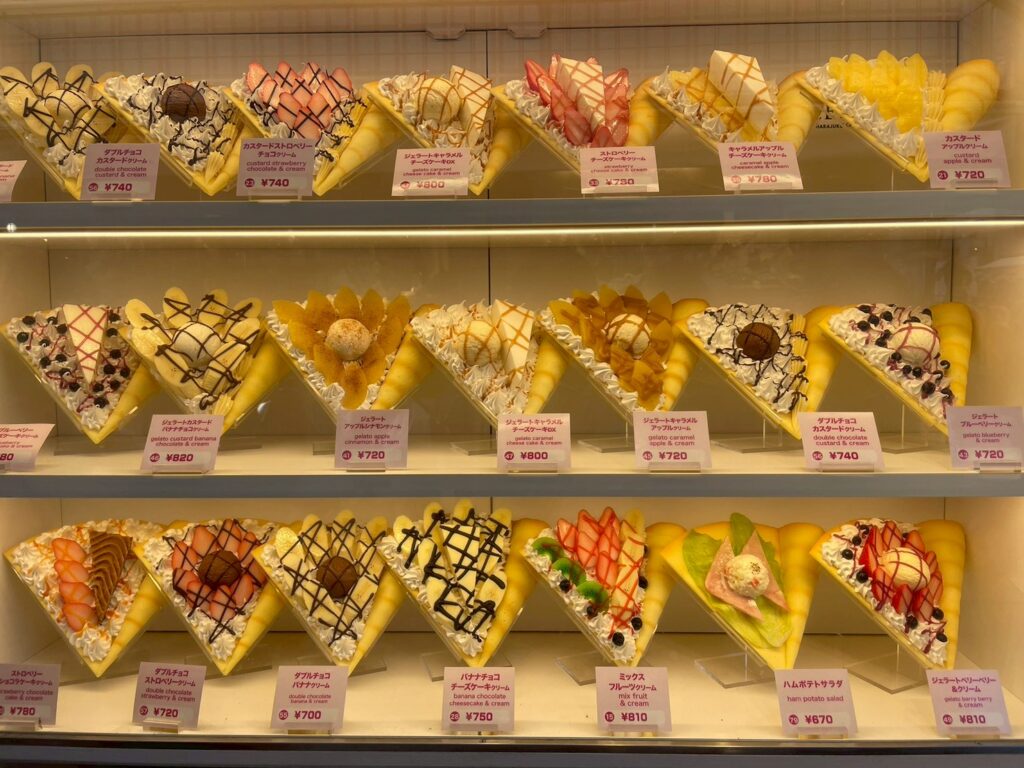
Takeshita Street is filled with youth-oriented fashion, accessories, and food, and it is always lively with visitors from both Japan and abroad. During busy times, it can get so crowded that even moving 10 meters can be a challenge. The street is famous for its crepes, and you can choose from a wide variety of flavors. If you visit Takeshita Street, be sure to try some of the sweets.
These are the highlights of Meiji Jingu as I see them. If you visit Japan, I highly recommend adding it to your travel plans.


コメント